• 57 Posts
  • 153 Comments
Joined 2 years ago
cake
Cake day: July 21st, 2024

help-circle


  • What changes with the return of Chat Control 1.0—and what stays the same:

    • What is coming back: US tech companies are once again allowed to scan private messages without a warrant or prior suspicion. This affects direct messages on platforms like Instagram, Discord, Snapchat, Skype, and Xbox, as well as emails via Google’s Gmail and Apple’s iCloud.
    • What remains unchanged: Public social media posts and files hosted in cloud storage could already be scanned without this law. Furthermore, private messages can always be reported by users, or monitored by authorities using targeted, court-ordered wiretapping.
    • What is still NOT being scanned: End-to-end encrypted chats, such as those on WhatsApp, have always been exempt from these scans. Additionally, European providers of messaging and email services have never implemented chat control measures.


  • The way I see it there are two possible reasons:

    1. incompetence: The statement in question was said by ESA’s vice president for state government affairs, in other words a professional lobbyist. Video games are her day job, not her hobby. I don’t know how much she actually plays herself. It may therefore be the case that she wasn’t briefed properly or she got confused. The ESA is currently persuing legal action against certain private servers after all. The article contains specifics on those but in short: Those servers enable piracy, the Minecraft ones don’t.
    2. they are lying: the whole thing was part of a hearing on Stop Killing Games. Private servers are one of the ways to fulfill their demands. It is the industry’s position that implementing those is too complicated. Each instance of private servers existing weakens the argument. So better pretend that those don’t exist. After all gamers won’t even learn about this statement. It’s a random California state senate hearing. They don’t watch those!


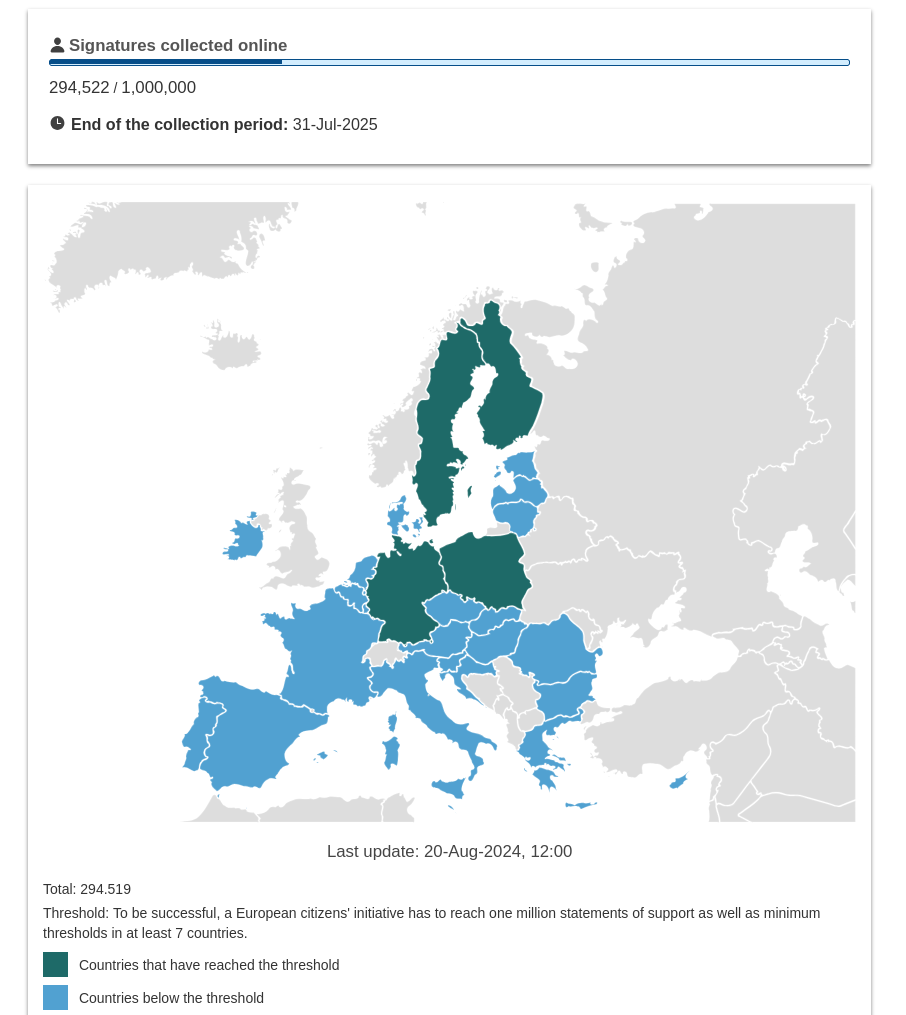
  • Almost correct. The process of creating a new law in the EU is the following:

    1. The Commission proposes a law
    2. Parliament and the Council rewrite the legal text handed to them from the Commission
    3. The three bodies find a compromise between the original texts and their respective edits

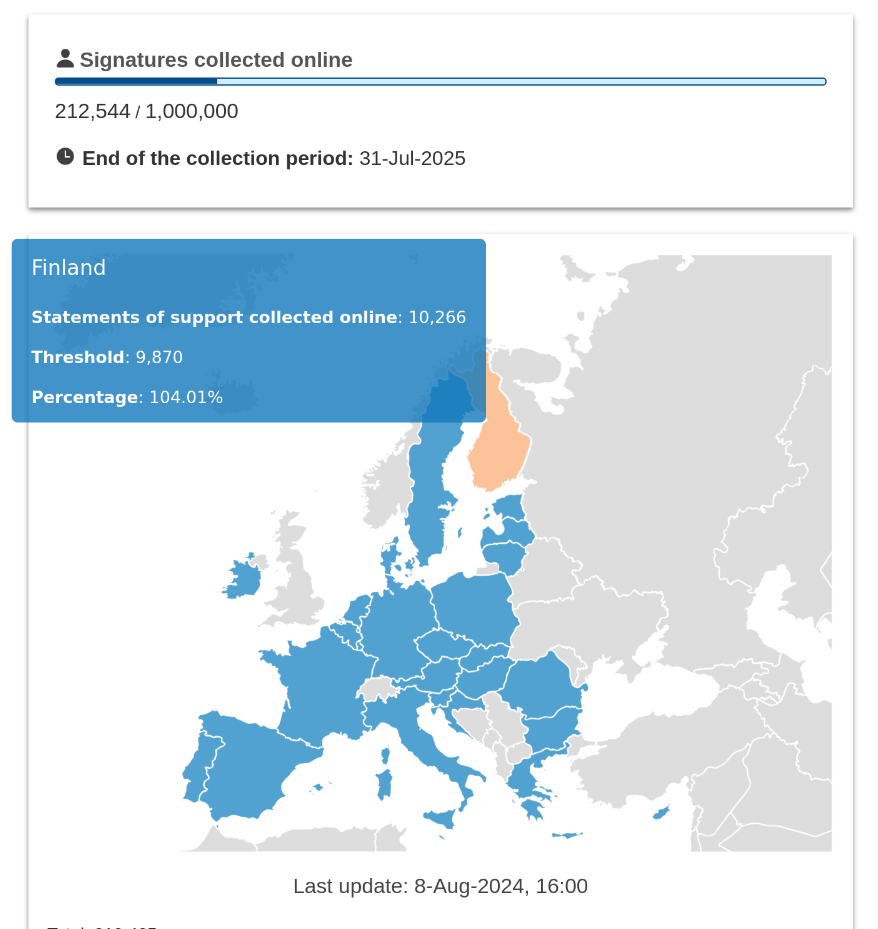
    Since the Commission refuses to do step one the initiative plans to get parliament to get the desired changes into a law that’s currently at step two (the digital fairness act). So it’s still a new law that’s not yet in effect and the process is technically shorter (because we are skipping step one)


  • OK, I’ll bite.

    Even Value has tried to argue that Steam is a subscription service and that you don’t own Steam games but rather licenses to games on Steam.

    If you open a printed, physical book, you’ll likely see something like this printed on the first page: “copyright [author name], all rights reserved”. If the book was printed in the last year, it might also include language explicitly forbidding AI training and other forms of data mining.

    If you look at the back of the packaging of physical movie releases (so for example a DVD or Bluray case) you’ll find find something like “this movie has only been licensed for personal used. Public exhibition is not permitted”

    Because media has always been licenced. The question therefore is less about license vs ownership and instead about what makes a fair license. SKG argues, that the licensing as it currently exists is deeply unfair. Unfair enough that it possibly already violates EU law. That’s what the lawsuit in France is about.

    A group could take SWTOR, add content, and have people donate/pay for it despite the IP holder not wanting their IP used that way.

    Not really. The game has, as you yourself noted, been licensed to you. The granted rights don’t include commercial activity. Publishers could even put the videogame equivalent of the language from the movie cases into their licenses to spell that out.