

I’m going to agree to disagree. Even breeders who limit their litters, get all the medical testing and natal care, and who are selective on where they place their animals aren’t doing something I’d consider “ethical”. It’s a simple question of math.
Adding more animals to the population while knowing kittens and puppies are dying for no other reason than no one choosing them isn’t ethical. Taking a potential home away from an animal that is doomed to stretch the budgets of shelters and the rescue community at large and still end up euthanized without ever knowing a real home isn’t ethical. It feels nice for the special looking, inbred animals that get to live that privileged life, but it conveniently ignores the death of animals in our communities that are just as deserving.
As per your point about special personalities, I can promise you that even within the same litter, personalities vary wildly. Yes, you’re able to pay for appearance when buying from a breeder, but personalities are shaped by too many factors and aren’t guaranteed. Animals purchased from “reputable” breeders are also given up at surprising rates when they didn’t exactly fall in line with the breed standard in looks or personality. This isn’t even getting into the many genetic health issues we’re seeing more of now that purebred cats are getting so popular…
If we spend time meeting adoptable cats and kittens that aren’t as flashy, we’ll be able to find just about any traits we’re looking for for our and our family’s needs. Not to mention breed specific rescues if the need for the breed feels that great.



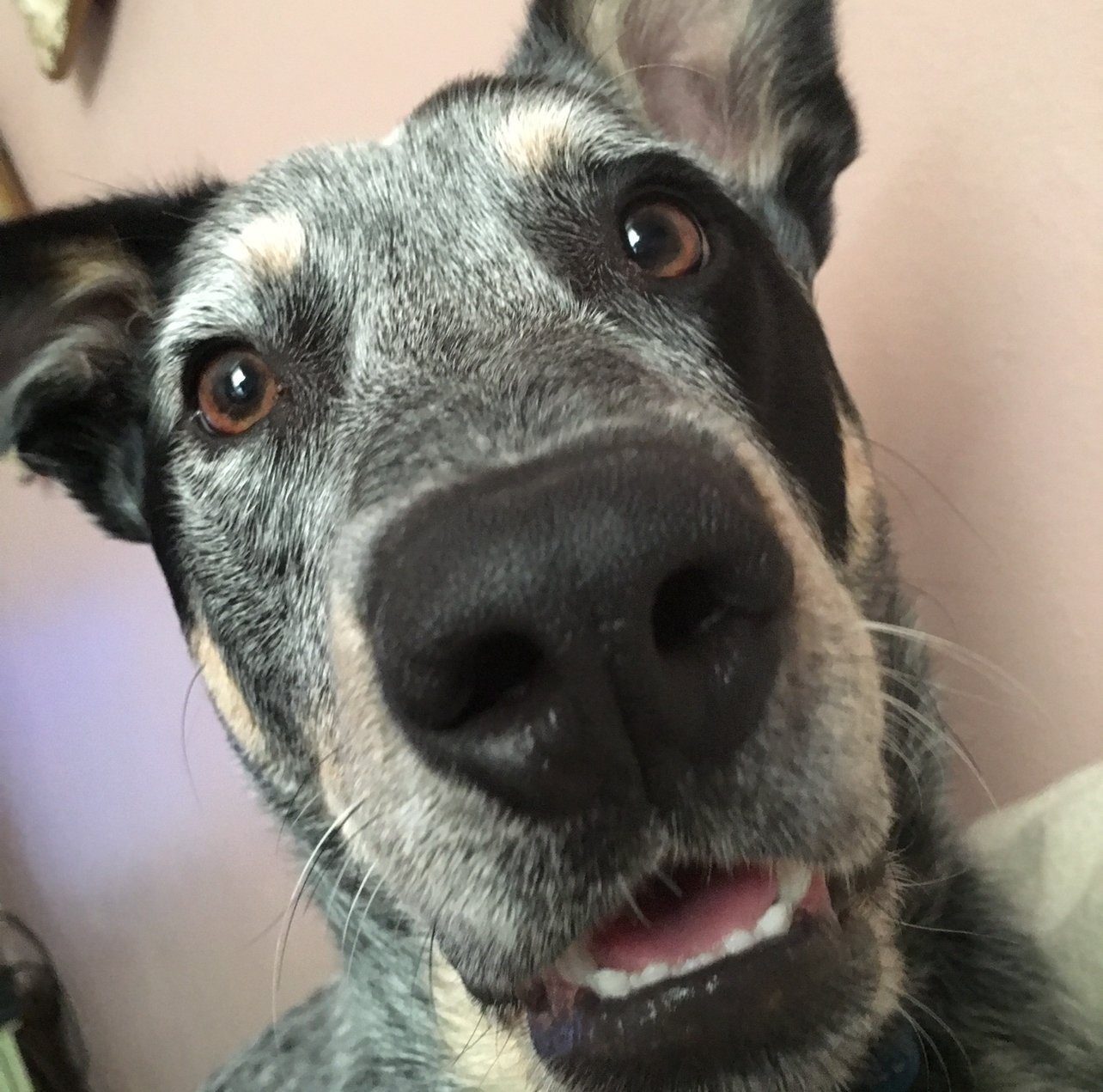
A+, no notes.